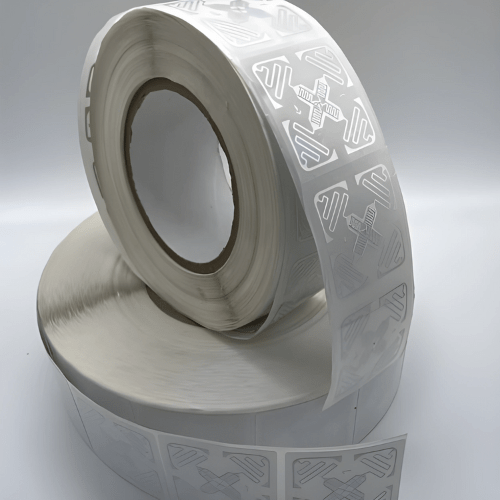
Multi-Standard UHF RFID Tags
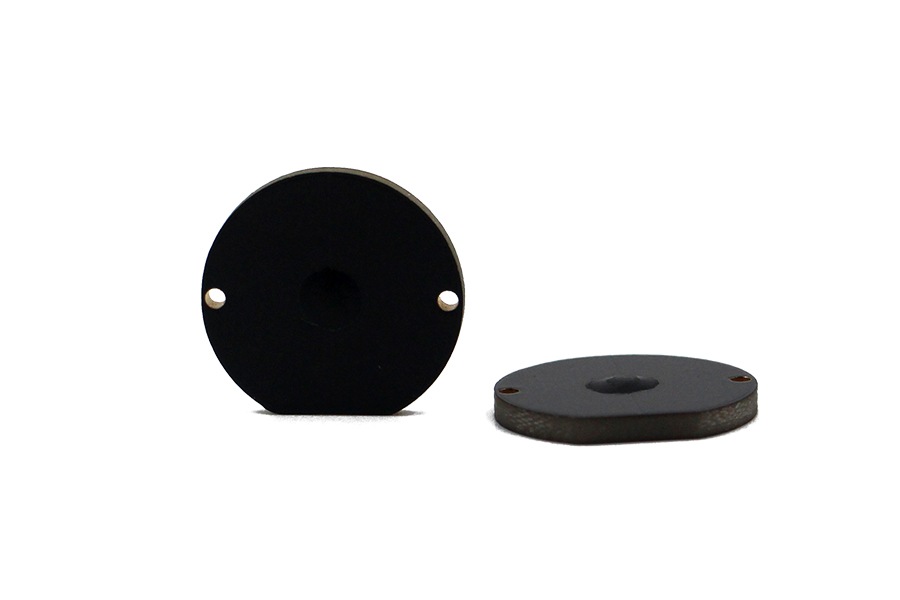
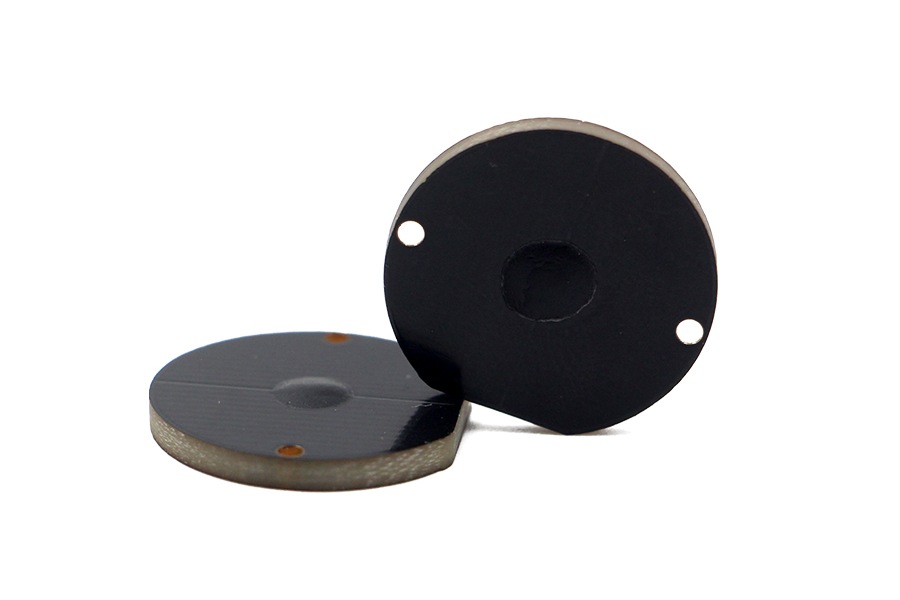
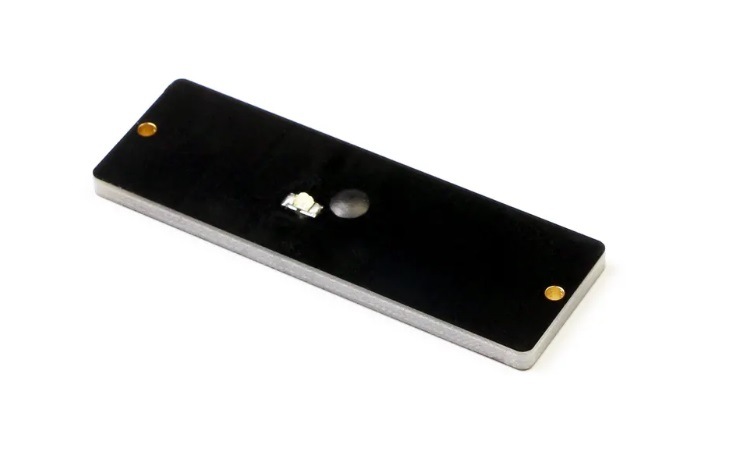
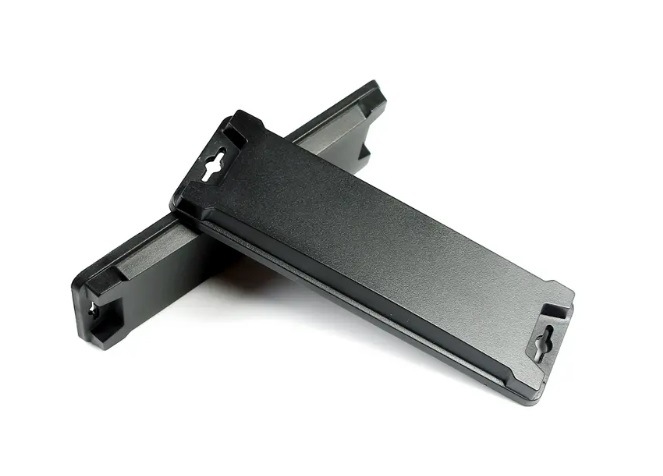
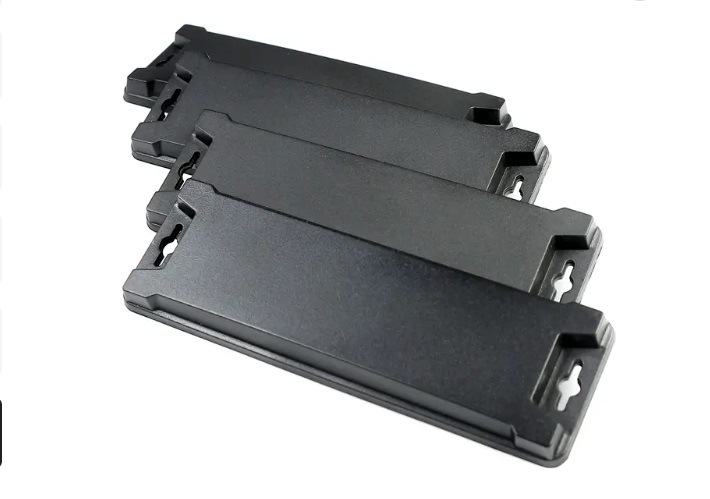
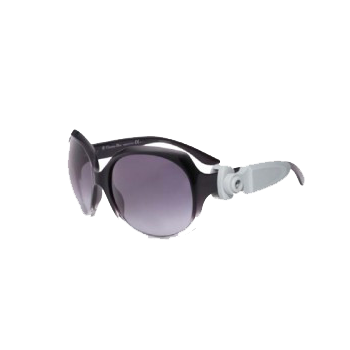
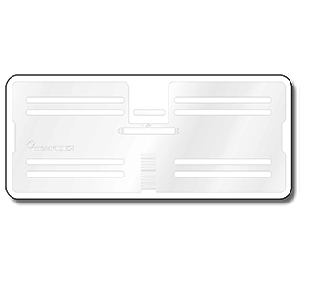
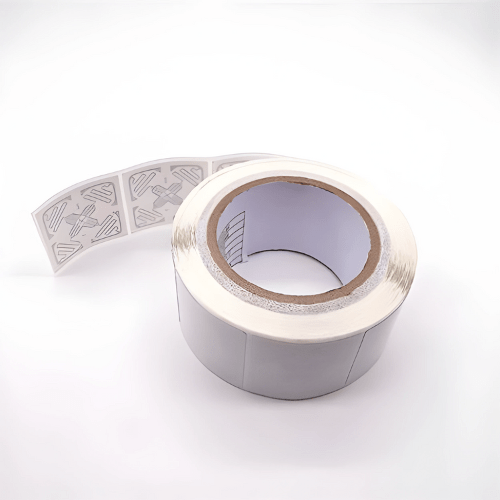
Multi-standard UHF RFID tags are designed to support a wide range of frequencies and communication protocols, making them adaptable to various systems. These tags can operate across different geographic regions, each with its own RFID frequency standard, and they provide seamless integration into diverse environments. The primary benefit of using multi-standard UHF RFID tags is their versatility and ability to support global operations. They ensure compatibility with various RFID readers and systems, reducing the need for multiple tag types and offering more flexibility in deployment. This helps businesses enhance their asset tracking, security, and inventory management while minimizing operational complexity.
Read More
Applications of Multi-Standard UHF RFID Tags
- Global Supply Chain Management
Multi-standard UHF RFID tags are invaluable in managing global supply chains by enabling the tracking of goods across various countries. As these tags support multiple frequency standards, they ensure smooth communication between RFID systems regardless of location. This interoperability improves inventory visibility, reduces transit delays, and ensures compliance with international shipping regulations. - Retail Inventory Management
Retailers use multi-standard UHF RFID tags for real-time inventory tracking across their stores and warehouses. The ability to use the same tag for different geographic locations allows businesses to manage stock levels efficiently and accurately. The tags help reduce out-of-stock situations, improve stock rotation, and optimize the replenishment process, all of which contribute to a better customer experience. - Asset Tracking in Healthcare
In the healthcare sector, multi-standard UHF RFID tags are used to track medical equipment, supplies, and patient information. The global compatibility of these tags allows healthcare facilities to manage their assets across different locations or systems. This provides improved asset visibility, reduces equipment loss, and ensures critical medical items are available when needed, enhancing patient care. - Automotive Industry Logistics
The automotive industry relies on multi-standard UHF RFID tags for the efficient management of parts and inventory. These tags are used to track components from suppliers to assembly lines and through distribution networks. By supporting multiple frequencies, the tags ensure smooth integration with existing systems globally, which helps reduce lead times, improve production efficiency, and minimize errors in parts delivery. - Library Systems
Libraries use multi-standard UHF RFID tags to manage their book inventories and other media. The ability to use a single type of RFID tag across different regions simplifies the management of library assets. This leads to faster checkouts and returns, reduced loss or theft of items, and a streamlined, automated inventory process, all of which improve the overall user experience. - Asset Management in Government Facilities
Government agencies use multi-standard UHF RFID tags to track assets such as documents, equipment, and vehicles. These tags facilitate the management of assets across various government departments and locations, ensuring compliance with regulations and enhancing security. The ability to use a single tag that works worldwide helps improve transparency, accountability, and operational efficiency. - Event Ticketing and Access Control
In the events and entertainment industry, multi-standard UHF RFID tags are used for ticketing and access control. By supporting various RFID protocols, these tags can be read by different systems at venues around the world. This enables seamless entry for attendees, improves security, and enhances the overall guest experience by reducing wait times and preventing ticket fraud. - Manufacturing Process Monitoring
Manufacturers use multi-standard UHF RFID tags to track materials and components throughout the production process. The global compatibility of these tags ensures that data from RFID readers can be easily integrated into manufacturing systems, regardless of location. This leads to improved production scheduling, reduced downtime, and better overall product quality. - Warehouse Management
Multi-standard UHF RFID tags are essential in modern warehouse management systems. These tags can track items as they move through the warehouse, ensuring accurate stock counts and reducing errors during order fulfillment. Their ability to operate across different RFID frequencies allows for smooth integration with multiple systems, leading to faster, more accurate inventory management and improved operational efficiency. - Fleet Management
Fleet management companies use multi-standard UHF RFID tags to track vehicles and assets across regions. By supporting multiple standards, these tags ensure compatibility with the various systems used across different geographic areas, improving vehicle tracking, maintenance scheduling, and overall fleet efficiency. This helps reduce costs, improve asset utilization, and enhance service delivery.
GAO Case Studies
- New York City, New York, U.S.
A major healthcare facility in New York City implemented GAO RFID’s solution to manage its high-value medical equipment. By tagging critical assets, the organization was able to improve asset visibility, reduce equipment loss, and streamline maintenance processes. GAO RFID’s system provided real-time tracking and alerts, ensuring the healthcare provider could respond quickly to equipment malfunctions or movement, enhancing operational efficiency. - Los Angeles, California, U.S.
In Los Angeles, a logistics company adopted GAO RFID’s tracking system to monitor its shipping containers and cargo across its supply chain. The implementation of RFID tags enabled the company to track shipments in real-time, ensuring faster and more reliable delivery. The solution also improved the management of inventory and reduced the risk of misplaced or delayed goods, providing better service to customers. - Chicago, Illinois, U.S.
A manufacturing plant in Chicago implemented GAO RFID’s solution to monitor its assembly line parts and raw materials. By tagging parts and integrating the RFID system with its existing production system, the plant was able to gain valuable insights into production efficiency, reduce downtime, and optimize the flow of materials across the plant. This solution enhanced their overall supply chain visibility and operations. - San Francisco, California, U.S.
GAO RFID’s solution was deployed at a prominent university in San Francisco to manage library resources more effectively. By implementing RFID-enabled tags on books and media items, the university was able to automate checkouts and returns, minimize book loss, and improve user experience. The RFID tags enabled efficient tracking, reducing the need for manual inventory counts and enhancing library operations. - Dallas, Texas, U.S.
A leading automotive manufacturer in Dallas leveraged GAO RFID to track parts in their extensive supply chain. By integrating RFID tags into their system, the company was able to increase the accuracy of parts delivery, reduce counterfeit parts, and track the status of automotive components as they moved through the production process. GAO RFID’s technology played a critical role in ensuring quality control and speeding up assembly processes. - Washington, D.C., U.S.
A federal government agency in Washington, D.C. used GAO RFID’s motion-sensor RFID tags for monitoring sensitive equipment and assets. The RFID tags ensured real-time tracking, preventing unauthorized access and loss of critical resources. The system allowed for secure asset management across multiple departments, improving both operational transparency and security. - Miami, Florida, U.S.
A retail chain in Miami adopted GAO RFID’s system for inventory management in its warehouses and stores. With the multi-standard UHF RFID tags, the company was able to optimize stock levels, reduce inventory shrinkage, and automate product check-ins. GAO RFID’s solution provided real-time inventory updates, enhancing stock visibility and reducing manual errors, improving the overall customer shopping experience. - Phoenix, Arizona, U.S.
A distribution center in Phoenix implemented GAO RFID’s solution to track and manage the movement of pallets and goods throughout the facility. RFID tags were used to track goods as they were received, stored, and shipped. The system provided increased accuracy, reduced human error, and improved the speed at which inventory could be processed. It helped streamline operations and improve efficiency across the facility. - Toronto, Ontario, Canada
A large transportation company in Toronto integrated GAO RFID’s solution for fleet management and monitoring of vehicle maintenance schedules. By utilizing RFID tags, the company was able to track vehicle usage, optimize maintenance schedules, and ensure that vehicles were in optimal condition for operations. GAO RFID’s technology enabled the company to extend the lifespan of its vehicles and reduce operational costs.
Related Products & Systems
Below are products and systems related to this webpage:
Our products are in stock and can be shipped to anywhere in continental U.S. or Canada from our local warehouse. To purchase or for any further information, please fill out this form or email us.
We are actively looking for partners who are like us located in the U.S. and Canada. For more information on partnering with GAO, please visit Partner with GAO RFID Inc. It lists various ways to partner with GAO, such as OEM Partnerships, Technology Integration, Distribution and Reselling Opportunities, Presenting at the Leading Event TekSummit, Joint R&D Projects, Training and Consulting Services, Industry-Specific Collaborations, Research and Academic Partnerships.